

A greenhouse is a Plan B for comfort and these days potentially necessity, as the economies of the world give us no shortage of uncertainty. So, the comfort is no small thing... a Plan B with windows catches sunlight, slows the wind, shelters seedlings, and persuades autumn to wait outside for a little while. I love wandering through a warm greenhouse as the weather threatens winter.
That is the Plan Bees idea in its clearest form: keep another option growing. A protected bed can start spring earlier, carry fall later, shelter tender plants, and give a homestead one more place to produce food when the weather refuses to cooperate. There may also be a chicken inspecting the work and a garden gnome claiming supervisory authority. Every serious operation has management.
Quick answer
The 8-by-12-foot polycarbonate greenhouse is our best overall pick because its useful footprint, roof ventilation, panel construction, and side gutters create the strongest balance for a working homestead. The 8-by-16-foot structure offers more room and stated weather capacities, while the portable lean-to suits a smaller experiment, patio, or sheltered wall.
How a greenhouse borrows summer
Sunlight passes through the clear covering and warms soil, benches, pots, water, and plants. Those surfaces release heat back into the enclosed space while the structure reduces wind and slows the exchange of warm inside air with cold outside air. The result can be a dramatically warmer afternoon and a useful extension of the growing season.
Night changes the bargain. An unheated greenhouse does not manufacture warmth, and its temperature can fall surprisingly close to the outdoor temperature by morning. Water barrels, stone, and other thermal mass can absorb daytime heat and soften the overnight drop, but they cannot promise frost protection through every cold spell.
Utah State University Extension recommends defining the crop, budget, and local climate goal before choosing a structure. It also warns that even small protected spaces can overheat quickly on sunny days. A maximum-minimum thermometer is one of the least glamorous and most valuable things you can put inside.
How we chose
We compared the three supplied structures by footprint, panel or cover material, ventilation, water handling, portability, setup details, and stated weather capacities. We favored practical balance over sheer size and treated seller-provided wind and snow figures as specifications to verify, not promises from the weather gods.
Product details, availability, and shipping restrictions can change. Confirm current contents, dimensions, ratings, anchoring requirements, local permits, and assembly instructions with the retailer and relevant local authority before purchase.
Reviewed by Carol Maier, B.Sc., professional entomologist and founder of the original Victoria Bug Zoo.
Affiliate disclosure: As an Amazon Associate I earn from qualifying purchases. This article contains affiliate links. If you make a purchase through one of these links, Bug Zoo® may earn a commission at no additional cost to you.
#3: Compact Portable Lean-To Greenhouse

This 79-by-31-by-59-inch shelter is the smallest and most portable option in the roundup. Its polyethylene cover, sloping roof, roll-up zippered door, two breathable windows, wind ropes, ground stakes, and extended cover edges create a practical little protected zone for sowing, germinating, and nursing plants through unsettled weather.
A lean-to format makes clever use of a sheltered wall, but placement controls its success. The wall can offer wind protection and some retained warmth while also limiting light and airflow if the site is poorly chosen.
Why it stands out
- Its compact footprint makes greenhouse growing possible in a smaller yard or beside an outbuilding.
- The lightweight cover and portable structure demand less commitment than a framed polycarbonate kit.
Good to know: The front and back are different heights. Check the orientation before pulling the fitted cover into place. Lightweight structures also need serious attention to anchoring and shelter from strong winds.
Best for: Seed starting, temporary protection, smaller growing areas, and homesteaders testing the greenhouse habit before erecting a permanent structure.
#2: Large 8-by-16-Foot Polycarbonate Greenhouse
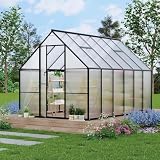
At 8 by 16 feet, this is the largest structure in the comparison. The supplied specifications describe UV-protected polycarbonate panels, an aluminum frame, a lockable door, rain gutters, and an adjustable roof vent that can be positioned on the preferred panel during assembly.
The listing also states wind resistance of 50 miles per hour and a snow-load capacity of 40 kilograms per square meter. Those figures are more useful than vague promises of toughness, but they still need to be compared with local conditions, site exposure, anchoring, maintenance, and any applicable building requirements. Forty kilograms per square meter is approximately 8.2 pounds per square foot, which may be modest in snow country.
Why it stands out
- The 128-square-foot footprint provides the most room for beds, benches, propagation, and movement.
- Flexible roof-vent placement lets the builder think about prevailing wind and interior layout before installation.
Good to know: Bigger creates more growing capacity and more structure for wind, snow, heat, and maintenance to act upon. Confirm that every rating suits the actual site.
Best for: Homesteaders who need the largest growing area in this group and are prepared to plan the foundation, anchoring, ventilation, and weather management carefully.
#1: Balanced 8-by-12-Foot Polycarbonate Greenhouse

The 8-by-12-foot greenhouse wins by occupying the useful middle ground. Its 96-square-foot interior offers meaningful growing space without taking on the full footprint of the larger kit. The supplied details list 720-gram-per-square-meter polycarbonate panels, an aluminum-and-steel frame, an adjustable roof vent, side gutters, instructions, and assembly tools.
The roof vent helps release accumulated heat and moisture. The gutters give rainfall somewhere useful to go, provided the homesteader finishes the system with safe storage and overflow planning. Together, those features make this the most balanced foundation for season extension and everyday greenhouse management in the roundup.
Why it stands out
- The 8-by-12-foot footprint balances usable growing room with a more manageable structure.
- Roof ventilation and side gutters address two daily realities: excess heat above and water coming down.
Good to know: The kit ships in two boxes, which may arrive separately. Confirm that both are present and organized before the great assembly adventure begins.
Best for: A working homestead seeking a substantial polycarbonate greenhouse with ventilation, drainage, and enough room to grow without immediately building a glass cathedral.
Final thoughts
The 8-by-12-foot polycarbonate greenhouse earns #1 for its balance of space, ventilation, gutters, and manageable scale. Choose the 8-by-16-foot structure when capacity outweighs convenience and its stated weather specifications fit the site. Choose the portable lean-to when the goal is modest protection, a small footprint, or a lower-commitment first season.
A good homestead keeps more than seeds in reserve. It keeps options. When frost comes early, spring stalls, or the weather develops an attitude, a greenhouse gives the garden somewhere else to go.
Thanks for supporting our mission to make the world a better place for everyone, bugs included.
Frequently asked questions
Will an unheated greenhouse prevent frost?
It can slow heat loss and provide useful protection, but it cannot guarantee frost-free temperatures through every cold night. Monitor both air and soil temperatures and plan extra protection or safe supplemental heat according to the crop and climate.
Where should a greenhouse be placed?
Look for winter sunlight, good drainage, convenient water access, protection from prevailing wind, and room for maintenance and snow removal. Avoid low pockets where dense cold air settles.
Why does a greenhouse need ventilation in cool weather?
Sunlight can overheat a closed structure even when the outdoor air feels cold. Ventilation releases heat and humid air, reduces condensation, and helps limit disease-favoring conditions.
How do pollination-dependent crops set fruit inside?
Open doors and vents may allow pollinators to enter, but enclosed structures can reduce visitation. Depending on the crop and structure, growers may need to improve access or use hand-pollination methods.
Do seller-listed wind and snow ratings guarantee local suitability?
No. Compare the complete structure, anchoring system, foundation, site exposure, maintenance needs, and stated capacities with local weather and building requirements before purchase.